
Hey there,coffee lovers! ☕ Are you tired of the same old store-bought beans and dreaming of a fresher cup of joe? Well,you’ve stumbled upon the ultimate guide to growing your very own coffee beans right at home! Whether you’re a seasoned barista looking to up your coffee game or a casual drinker who just wants that delightful aroma wafting through your kitchen,we’ve got you covered. In this article, we’ll take you through the ins and outs of cultivating coffee plants, from seed to sip. Get ready to dive into the world of coffee growing, where you’ll learn about choosing the right beans, nurturing your plants, and, of course, brewing that perfect cup. So grab your gardening gloves and let’s turn your dreamy coffee aspirations into a fragrant reality! 🌱☕
Choosing the Right coffee Variety for Your Backyard Bliss
When it comes to expanding your home brewing adventures, picking the right coffee variety is crucial for achieving that backyard bliss you aspire to. Different coffee plants offer unique flavors, aromas, and growth requirements, so itS essential to understand what suits your climate, taste preferences, and gardening skills. Here are some popular varieties that can bring out the barista in you:
- Arabica – Prized for its smooth,mild flavor and aromatic profile. Ideal for most climates and can be grown in partial shade.
- Robusta – Known for its strong, bold flavor and higher caffeine content. This hearty variety is drought-resistant and thrives in full sun.
- Liberica – Offers a unique flavor profile with a fruity, floral scent.It grows well in tropical climates but requires specific conditions.
- Excelsa – Often used in blends for its distinct tartness and aroma, it can add a unique layer to your home brews.
To help you decide which coffee variety suits your needs, consider the following factors:
| Variety | Flavor Profile | Growth conditions |
|---|---|---|
| Arabica | Mild and sweet | Moderate temp, partial shade |
| Robusta | Strong and bold | Full sun, drought-resistant |
| liberica | Fruity and floral | Tropical climate preferred |
| Excelsa | Tart and aromatic | Warm, humid environments |
Once you’ve chosen your variety, be sure to pay attention to soil quality, watering habits, and the right amount of sunlight—these factors will play a significant role in your coffee-growing success!
Mastering the Art of Planting and Caring for Your Coffee Plants
Growing your own coffee plants can be one of the most rewarding experiences for a coffee lover.To start, select a high-quality coffee bean variety, such as Arabica or Robusta, which will thrive in your local climate. Ensure you have the right potting mix that offers good drainage and plenty of organic nutrients. Here are some essential tips to keep in mind:
- Light: Coffee plants love bright, indirect sunlight. Position them near a window that filters the sunlight.
- Watering: Keep the soil evenly moist, but avoid waterlogging.Check the top inch of the soil; if it’s dry, it’s time for a drink.
- Humidity: Coffee plants thrive in humid environments. Mist your plants regularly or place a humidifier nearby.
- Fertilization: Use a balanced fertilizer every few months to ensure healthy growth.
Once your plants begin to grow, caring for them becomes a joy! Regular pruning helps maintain shape and encourages new growth. Keep an eye out for pests like spider mites and aphids—catching them early can save your plants from significant damage.As the coffee cherries develop, you’ll witness a delightful transformation. Here’s a speedy reference chart for the care schedule of your coffee plants:
| Task | Frequency |
|---|---|
| Watering | Weekly or as needed |
| Fertilizing | Every 2-3 months |
| Pruning | As needed, usually in spring |
| Pest Check | Monthly |
Harvest Time: When and How to Get the Best Beans
Harvesting coffee beans is an exciting time for any home brewer, and understanding when to pick your cherries is essential for that perfect brew. Generally, coffee cherries are ready to harvest when they have turned a bright, rich red, signaling their full ripeness. This typically happens around 6 to 8 months after flowering, but it can vary depending on the coffee variety and local climate conditions. Keep an eye out for uneven ripening within your coffee tree; to get the best beans, you’ll want to harvest only the ripe cherries and leave the unripe ones for another visit. You can harvest manually for greater quality control or use mechanical methods for larger yields. Each method has its own merits!
Once you’ve gathered your harvest, it’s time to process those cherries to prepare them for roasting. This can be done in a few straightforward steps. You’ll want to remove the outer pulp through wet or dry processing methods, which will help expose the beans inside. Below are some tips to ensure you’re getting the best quality beans:
- Timing: Harvest in the morning for cooler temperatures.
- Sun Exposure: Ensure cherries are shaded to maintain moisture.
- Quality Control: Check for defects or overripe cherries during the harvest.
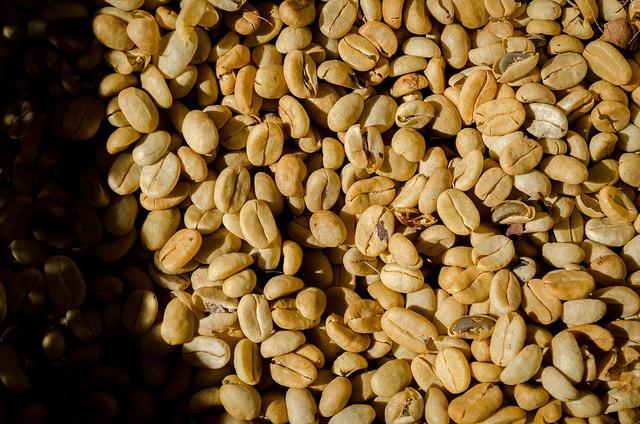
After processing, allow the beans to dry until they reach an ideal moisture level of about 11-12%. This is crucial for preserving flavor and ease of roasting. If you’re feeling adventurous, try experimenting with different drying methods—sun-drying, shade-drying, or mechanical drying each impart unique characteristics to the final product. With the right approach, your home-grown coffee beans will be a delight to brew and sip!
Roasting Secrets: Transforming Your Beans into Brewable Magic
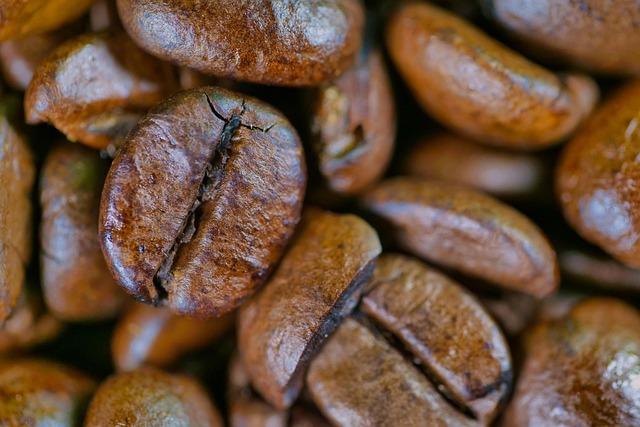
Unleash the full potential of your coffee beans by diving into the magical world of roasting! you don’t need a fancy roaster—your home oven or a stovetop pan will do just fine. The key is to pay attention to the temperature and the development time. Start with green coffee beans, and keep an eye on them as they go through several stages of color transformation. The aroma will change, and you’ll hear a delightful popping sound when they reach first crack, which signals the beans are getting close to perfection. For a darker roast, hang around for the second crack.Remember,patience is your best friend in this aromatic adventure!
When you’re done roasting,it’s essential to let those beans rest. This resting period allows the flavors to bloom and can take anywhere from a few hours to a couple of days. Once they’ve cooled down, store them in an airtight container away from light and heat.Not sure which roast suits your palate? Here’s a quick breakdown to help you decide:
| Roast Level | Description |
|---|---|
| Light Roast | Bright, fruity flavors; higher acidity. |
| Medium Roast | Balanced sweetness; full-bodied flavor. |
| Dark Roast | Rich, bold taste; lower acidity, chocolatey notes. |
Q&A
Q&A: Growing Coffee Beans – Your Ultimate Guide to Home Brewing!
Q: Can I really grow coffee beans at home?
A: Heck yes! growing coffee beans at home is totally possible, even if you live in an apartment. With the right conditions and a bit of TLC, you can cultivate your very own coffee plant! just remember, coffee trees thrive in warm, humid environments, so think tropical vibes when setting up your little mini-garden.
Q: What type of coffee plant should I grow?
A: The most popular coffee varieties are Arabica and Robusta. arabica is super smooth and a favorite among coffee aficionados. It prefers a cooler climate, so if you live in a warmer area or have a greenhouse, Robusta might be your best bet as it’s a bit hardier and can handle more heat. Just pick what suits your taste!
Q: What do coffee plants need to grow?
A: Coffee plants need a good amount of sunlight (but not direct, harsh sun), well-draining soil, and plenty of moisture. Think of them like your fancy houseplants – they love humidity! If you can create a cozy little environment that mimics their natural habitat, you’re golden.
Q: How long does it take to grow coffee beans?
A: Patience is key here, my friend! It typically takes about 3-4 years for your coffee plant to produce cherries. Yep, you read that right – years. But don’t worry, it’s totally worth the wait when you finally sip on that brew made from your own beans.
Q: How do I know when my coffee cherries are ready to pick?
A: Coffee cherries typically change color from green to a deep red (or yellow, depending on the variety) when they’re ripe. Keep an eye on your plant as timing is everything! If you pick them too early,you will miss out on their flavorful flavor potential.
Q: Do I need special equipment to brew my coffee?
A: Not necessarily! You can brew your coffee using a French press, pour-over, or even a simple drip coffee maker. That said, having a good coffee grinder is a game-changer because freshly ground beans make all the difference in flavor. The fresher, the better!
Q: What’s the best way to roast my coffee beans at home?
A: Roasting coffee at home can be a fun adventure! You can use a popcorn maker, a stovetop pan, or invest in a dedicated coffee roaster for more precision. Just remember to keep an eye on them while roasting to avoid burning – nobody likes burnt coffee!
Q: how can I store my homegrown coffee beans?
A: Store your beans in an airtight container to keep them fresh and flavorful. A cool, dark place is ideal – avoid the fridge as moisture can wilt your beans. And trust me, nobody wants soggy coffee!
Q: What’s the biggest tip you can give to newbie coffee growers?
A: Don’t stress! Growing coffee can feel overwhelming at times, but just enjoy the process. Learn from your mistakes (everyone has them) and get cozy with your plant.Plus, if your coffee plant starts doing its thing, there’s no better feeling than sipping on a brew you grew and roasted yourself. cheers to that!
Remember, growing coffee beans is more of a journey than a destination. So take your time, enjoy the learning curve, and soon enough, you’ll be living that coffee lover’s dream! Happy brewing! ☕🌱
Final Thoughts
And there you have it, folks! Your ultimate guide to growing coffee beans and brewing that perfect cup right at home. Whether you’re a seasoned java junkie or just dipping your toes into the wonderful world of home brewing, there’s no denying the satisfaction that comes from nurturing those little beans and transforming them into your very own coffee masterpiece.Remember, it’s all about experimentation and finding what works best for you. Don’t stress over the little things—every cup is a chance to learn and improve. So roll up those sleeves, grab your gardening tools, and let the coffee-growing adventure begin!
Now, who’s ready to sip some freshly brewed magic? ☕️ If you have any questions, tips, or want to share your own coffee-growing stories, drop a comment below! happy brewing!