A radical climate-engineering solution may not be able to safeguard coffee or other climate-sensitive crops as the planet warms, according to a new study.
New research published Nov. 4 in the journal Environmental Research Letters examined whether stratospheric aerosol injection (SAI) — a controversial climate-intervention technology that would involve spraying reflective particles into the upper atmosphere to cool the planet — could preserve ideal growing conditions for various high-value agricultural crops, such as coffee, wine grapes and cacao.
In short, the research team based at Colorado State University found that SAI is unlikely to reliably maintain necessary growing conditions amid ongoing climate change.
Cooling Alone Isn’t Enough
SAI is designed to work by mimicking the natural cooling effect of volcanic eruptions, reflecting sunlight away from Earth. While the technology has been shown to lower surface temperatures, the new study reveals it cannot consistently maintain the complex combination of conditions that coffee plants need to thrive.
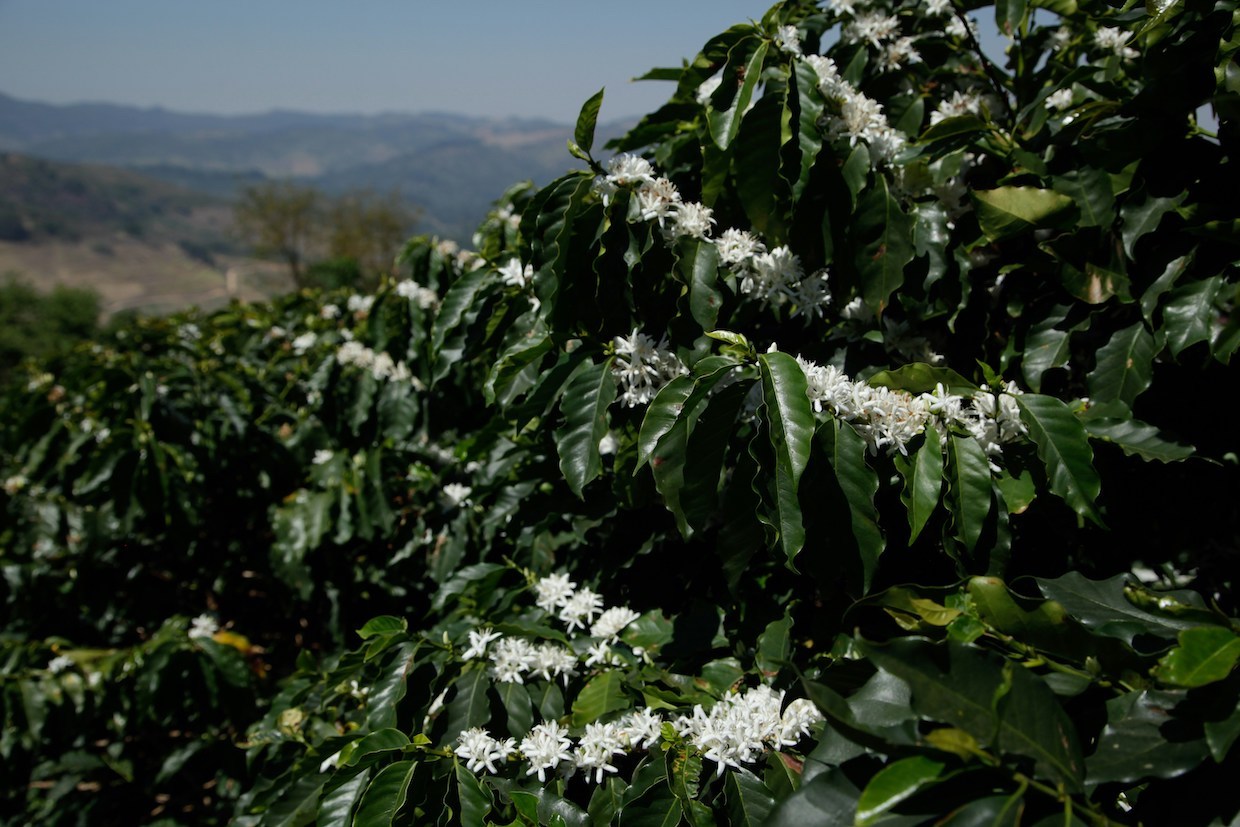
Researchers modeled climate scenarios for 18 coffee-growing regions in South America and West Africa between 2036 and 2045, examining temperature, rainfall, humidity and disease risk. Only six of the regions showed improvements in growing conditions under SAI scenarios.
”SAI climate intervention may offer temporary relief from rising temperatures in some regions, but it is not a guaranteed fix for the challenges facing luxury crop farming,” study co-author Ariel Morrison said in an announcement of the publication. “Adaptation strategies tailored to local conditions, investment in resilient agricultural practices and global cooperation are essential to saving these crops and the communities that depend on them.”
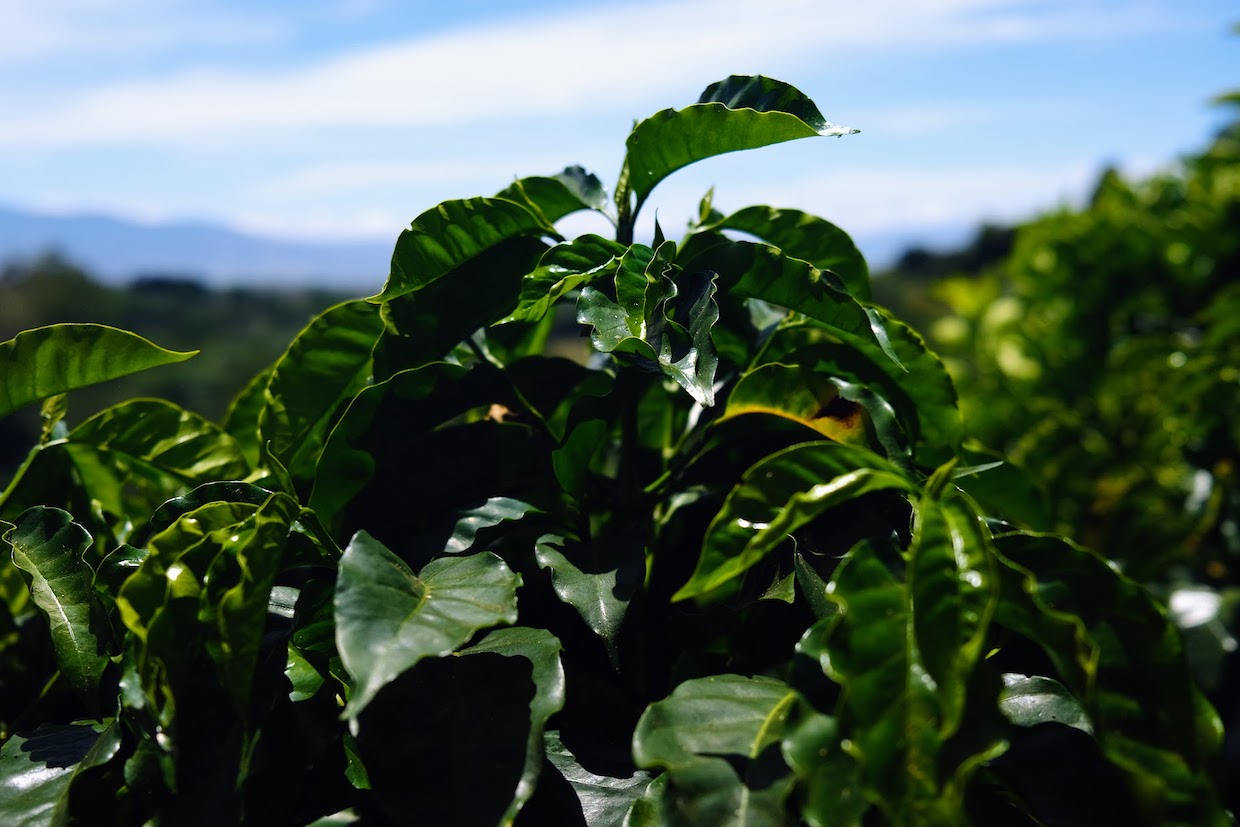
While SAI can theoretically cool the atmosphere, it doesn’t solve — and may even complicate — rainfall patterns, according to the research team. Coffee plants are notoriously sensitive to rainfall conditions. Climate change is already disrupting rainfall cycles in coffee-growing regions throughout the world, creating year-to-year variations that make it difficult for farmers to predict harvests.
To be clear, SAI in practical terms is still hypothetical, with work occurring in computer models or lab settings. No government is currently running outdoor SAI trials or any large-scale cooling program in coffee-growing regions.
“While our results should not be used to inform policy decisions around agriculture, due to the limitations of present-generation climate models and the assumptions in economic projections, they are valuable for showing the wide range of possible outcomes under SAI,” the authors suggested. “Few places are likely to experience uniformly beneficial or detrimental luxury crop growing conditions after SAI deployment.”
The study’s authors were Ariel Morrison, Elizabeth Barnes, James Hurrell and Daniel Hueholt. The research was supported by a grant from the Quadrature Climate Foundation. The authors declared no commercial or financial conflicts of interest.
Comments? Questions? News to share? Contact DCN’s editors here. For all the latest coffee industry news, subscribe to the DCN newsletter.
Related Posts
None found